All My Posts

Why Your Dog Needs to Shred โ€” And Why You Shouldnโ€™t Get Upset About It

If youโ€™ve ever walked into a room and found your dog joyfully shredding napkins, tissues, a cardboard box, or the mail (whoops)… take a breath.
Your dog isnโ€™t trying to annoy you.
Theyโ€™re expressing a deep, natural need thatโ€™s built into who they are.

Shredding is not misbehavior โ€” itโ€™s communication, instinct, and emotional release all wrapped in one.

Letโ€™s break down why shredding matters, and how you can use it to strengthen your bond instead of getting frustrated.


Shredding Is a Natural Instinct

Dogs shred for many reasons, all of them rooted in normal canine behavior:

๐Ÿพ 1. It feels good.

Shredding activates your dogโ€™s dissecting instinct โ€” something all dogs have.
Tearing something apart is mentally satisfying and physically enriching.

๐Ÿพ 2. It relieves stress.

Some dogs shred when theyโ€™re anxious or unsure how to process emotions.
Shredding gives them a healthy outlet to release frustration, tension, or nervous energy.

๐Ÿพ 3. Itโ€™s a boredom buster.

If your dog is full of energy and has nothing to do, theyโ€™ll naturally try to create their own โ€œjob.โ€
Shredding becomes a self-made activity.

๐Ÿพ 4. It builds confidence.

Every successful tear is a tiny win.
For nervous dogs, shredding can make them feel powerful, capable, and in control.


Donโ€™t Punish the Need โ€” Understand It

When you catch your dog shredding something โ€œforbidden,โ€ itโ€™s easy to react with:

โŒ โ€œNo!โ€
โŒ โ€œWhy would you do this?!โ€
โŒ โ€œBad dog!โ€

But hereโ€™s the truth:
Your dog isnโ€™t being disrespectful, stubborn, or spiteful.

Theyโ€™re telling you:
โ€œIโ€™m feeling something. I need an outlet.โ€

Instead of asking โ€œWhy are you doing this?โ€ try shifting your mindset to:

โ€œAre you feeling the need to shred? Thanks for telling me. Let me help you.โ€

This shift changes everything.

Because when we get angry, we donโ€™t just stop the behavior โ€”
we break trust.
We make our dogs afraid to express natural needs.
We shut down communication.

But when you respond with understanding, you tell your dog:
โ€œI see you. Let me support you.โ€

And that builds connection, safety, and teamwork.


Give Them Something Legal to Shred

If your dog needs to shred, you can guide that need instead of fighting it (because you CANโ€™T fight genetics).

Try offering:

  • Cardboard boxes
  • Toilet paper rolls
  • Old newspapers
  • Paper bags
  • Dog-safe shreddable toys
  • DIY enrichment shredding activities

This teaches your dog:
โœ”๏ธ Youโ€™re allowed to shred
โœ”๏ธ But hereโ€™s where and what you can shred
โœ”๏ธ And Iโ€™m here to help you feel safe while you do it

It turns a โ€œproblem behaviorโ€ into a shared activity that strengthens your relationship.


โ€œWonโ€™t encouraging shredding make my dog shred even more?โ€

Hereโ€™s the honest answer:

If your dog is a shredderโ€ฆ theyโ€™re a shredder.
Itโ€™s part of their genetics.

Allowing them to shred appropriate items wonโ€™t create the behavior โ€”
it just gives them a safe, healthy outlet for a natural instinct they already have.

When you meet your dogโ€™s needs, the urge to shred forbidden items actually decreases.
A dog with a healthy outlet is a calmer, happier dog.


Understanding the Need = Stronger Relationship

Shredding is not defiance.
Itโ€™s information.
Itโ€™s communication.
Itโ€™s instinct.

And when you respond with curiosity instead of frustration, you help your dog:

  • manage their emotions
  • release stress
  • build confidence
  • trust you more deeply

Because youโ€™re no longer the โ€œparty pooperโ€ shutting down their needs โ€”
youโ€™re their partner, their helper, their safe place.


Want a DIY Shredding Activity?

Iโ€™ve got you covered.
Hereโ€™s an easy, safe, super-fun shredding project you can make at home โ€” perfect for giving your dog the outlet theyโ€™re craving.

And if shredding is something your dog struggles with in a big way, or if you’re worried about resource guarding, anxiety, or over-excitement, Iโ€™m always here to guide you through it so you can turn this instinct into connection instead of frustration.
When Your Dog Isnโ€™t Interested in Toys

Some dogs donโ€™t seem motivated to play with toys, no matter what you try โ€” and thatโ€™s okay! For many dogs, the typical rubber or squeaky toys donโ€™t connect with their natural instincts.

If that sounds like your dog, try introducing a natural toy made with sheepskin or rabbit fur. These toys often have a more appealing scent and texture, tapping into your dogโ€™s natural prey instincts. Instinct plays a huge role in motivation โ€” when something feels more real, it becomes much more exciting!

But hereโ€™s the key: these toys are meant for interactive play with you, not for solo chewing. Keep the game about connection, not destruction. Practice valuable exchanges โ€” offer a tasty treat or another fun toy when asking your dog to drop the current one. This helps teach that the toy will always come back, and that playtime is something you enjoy together.

If your dog ends up shredding the toy, try not to react negatively. Remember, your dog isnโ€™t being โ€œnaughtyโ€ โ€” theyโ€™re simply following the instinct to dissect prey, just as their genes tell them to.

And if youโ€™re struggling with trading or your dog guards their special toy, donโ€™t worry โ€” thatโ€™s something you can absolutely train! I can guide you through teaching your dog to trade and play confidently, even with high-value toys.

๐Ÿ“ฉ Reach out to me at marly@mydogsessence.com โ€” letโ€™s help your dog discover the joy of play, safely and instinctively.

โ€œDoes My Dog Really Need Medication?โ€ 5 thing to Check and Try First Before Reaching for the Prescription

If youโ€™re feeling overwhelmed and wondering if medication is the answer for your anxious or reactive dog, youโ€™re not alone. But before you go down that path, thereโ€™s a lot you can do to help your dog feel better, naturally and kindly.

When we live with a dog whoโ€™s constantly anxious, hyperactive, or struggling with their environment, itโ€™s easy to feel lost. Itโ€™s natural to want reliefโ€”for them and for ourselves. Medication might seem like the fastest solution.

And let me start by saying this clearly:
Iโ€™m not against medication. I believe it absolutely has a time and place. Some dogs truly need it to feel safe in their world, and I support responsible use of medication when it’s the best choice.

But I also believe this:
Not all dogs need it. And itโ€™s not fairโ€”or ethicalโ€”to medicate a dog just to make our lives easier without first exploring what might be missing from their lives.

There Are Steps to Take Before Medication

If youโ€™re considering medication, I invite you to pause and ask:

What have I already tried to help my dog feel better?
Am I supporting my dogโ€™s physical, emotional, and mental well-being in every way I can?

Here are 5 foundational things to examine first:

1. Physical Exercise: Is My Dogโ€™s Body Tired Enough?

Every dog is different. A 10-minute walk may be enough for a senior Chihuahua, but it wonโ€™t cut it for a young herding breed.
Ask yourself:

  • Does my dog get regular, age-appropriate physical activity?
  • Does this activity match my dogโ€™s breed, energy level, and individual needs?

Without the right kind of movement, many behavior problems start to appear.

2. Mental Stimulation: Is My Dogโ€™s Brain Getting a Workout Too?

A tired body isnโ€™t enough, your dogโ€™s mind needs exercise too.
Enrichment games, sniffing activities, training games, and puzzle toys can help reduce anxiety and prevent boredom-based behaviors. We need to keep changing those activities to avoid falling into a routine and not being challenging enough.

Ask yourself:

  • Am I giving my dog opportunities to think and solve problems each day?
  • Is the mental stimulation Iโ€™m offering the right fit for my dog?

3. Diet: Is My Dog Getting Nourished from the Inside Out?

Food affects behavior more than we often realize.
A processed, kibble-heavy dietโ€”even the expensive stuffโ€”can lead to inflammation, gut issues, and poor emotional health.

Consider:

  • Switching to a fresh, whole-food diet
  • Adding real food toppers to kibble
  • Incorporating a high-quality probiotic to promote gut health

Why the gut matters:
Your dogโ€™s brain and gut are deeply connected. A healthy gut can improve mood, stress response, and even sleep.

4. Safety at Home: Can My Dog Truly Relax?

If your dog doesnโ€™t feel safe at home, itโ€™s nearly impossible for them to feel calm anywhere else.

Ask yourself:

  • Can my dog fully rest at home without being constantly on alert?
  • What noise, tension, or chaos might be affecting my dogโ€™s peace?

Sometimes just removing a few daily stressors can dramatically improve how your dog feels.

5. Stressors & Triggers: What Can I Minimize or Eliminate?

Your dogโ€™s environment plays a huge role in their emotional state.
Look around and ask:

  • What triggers can I reduce (even temporarily)?
  • Can I give my dog more space or time to process challenging situations?

We donโ€™t have to throw our dogs into stressful environments just to โ€œteachโ€ them to deal with it. Gentle, well-thought-out training works better and is much kinder.

When Medication Is the Right Call

If youโ€™ve addressed the above and your dog is still struggling, medication might be the next step. And thatโ€™s okay.

But it should never be a shortcut.
Instead, it should be part of a larger plan, designed in partnership with a qualified veterinary behaviorist and supported by a positive, science-based training plan.

Medication doesnโ€™t replace training or lifestyle adjustments, it helps make them more effective.

You Donโ€™t Have to Do This Alone

I know how overwhelming this all can feel. If you’re unsure where to start or what your dog needs most, Iโ€™m here to help.

๐Ÿงก I offer free 30-minute consultations so we can talk about your dog, your life, and your goals.
Letโ€™s take a kind, thoughtful, and effective approach together.

๐Ÿ“ง Email me at marly@mydogsessence.com to book your free consultation.
Letโ€™s help your dog feel better and help you feel confident and supported too.

How to Help Your Dog Stay Safe and Calm in the Car

When it comes to car rides, many pet parents focus on getting from point A to point Bโ€”but how your dog travels matters just as much as where youโ€™re going.

A crate in the car isnโ€™t just about safety in case of an accident (though thatโ€™s reason enough). It also plays a key role in your dogโ€™s emotional regulation.

When dogs ride loose in the car, they often start getting overexcited or overstimulated before you even arrive at class, the park, or the vet. The combination of movement, passing cars, people, and even seeing other dogs builds emotional intensityโ€”and if this happens regularly, it becomes a habit.

Soon, car rides = instant excitement.
Which means by the time you reach your destination, your dog is already overloaded and less able to focus, learn, or stay calm.

Using a crate helps your dog associate the car with calmness and safety. It becomes their place to settle, not to scan the world or build tension.

And the more they practice being calm in the crate, the easier it becomes for them to stay calm in other situations too, like walking into class ready to learn, not explode.

Crating your dog in the car:

  • Keeps them physically safe
  • Encourages emotional stability
  • Builds a habit of calm travel
  • Makes transitions into new environments much smoother

The calmer your dog rehearses being, the more predictable and enjoyable life becomes for both of you.

Bottom line? The crate is more than a safety tool, itโ€™s a mindset shifter.
Start today, and help your dog build the habit of calm from the moment the car door closes.

Make sure to take your dogโ€™s measurements and check that the crate fits in your car ๐Ÿ˜‰. Here are a two crate options:

Crate training doesnโ€™t have to be stressful for you or your dog.
If youโ€™d like guidance on helping your dog feel calm and happy in their crate, Iโ€™m just an email away! Contact me at marly@mydogsessence.com.

When the Window Becomes a Problem

If your dog barks at the window or door every time someone walks by, a delivery arrives, or a noise happens outside, youโ€™re not alone.

The first step to change? Decide youโ€™re ready to help your dog through it.
This behavior wonโ€™t disappear on its own. When dogs bark at the window every day, theyโ€™re living in a state of alert. Itโ€™s stressful, exhausting and the more they rehearse it, the more it becomes a habit.

Hereโ€™s the good news:
Dogs donโ€™t want to feel on edge all the time. They enjoy calmness, but some need help discovering it.

What to Do

Make the window boring:

– Turn on the noise machine during typical delivery hours.
– Leave a friendly sign asking packages be dropped without ringing.

YOU CAN MAKE ALL OF THIS HAPPEN if you really want it!

Pro Tip:

Before getting on calls or online meetings, give your dog a long lasting chew along with the setup above. Help them associate your calls with quiet time.

For How Long?

Usually about 4 weeks, BUT every dogs is an individual, so until the window is no longer exciting.
Youโ€™ll know when itโ€™s working. Your dog will stop rushing over or reacting.

Once that happens, check in with me so I can guide you on what to do next!

This works! and itโ€™s time well invested. Calm dogs = happier lives.

Listening With Your Eyes: The Importance of Dog Body Language

One of the most powerful tools you can have as a dog owner is the ability to read your dogโ€™s body language. Our dogs are communicating with us all the timeโ€”but unlike us, they donโ€™t use words. Instead, they use posture, movement, facial expressions, and energy to share how theyโ€™re feeling. And when we learn to understand those subtle cues, we become better advocates, better handlers, and better friends to our dogs.

Itโ€™s OK If Your Dog Doesnโ€™t Like Everyone

Just like people, dogs have preferences. Some are social butterflies, and others are more selective with who theyโ€™re comfortable around. And thatโ€™s okay. Whatโ€™s not okayโ€”at least in our human worldโ€”is when a dog expresses their discomfort through aggressive behavior like growling, lunging, or biting.

But hereโ€™s the thing: those behaviors are your dogโ€™s way of saying, โ€œPlease give me space.โ€ They are often the result of smaller, earlier signals being ignoredโ€”like turning their head away, licking their lips, yawning, tensing up, or trying to retreat. When those signs are missed or dismissed, a dog may feel they have no choice but to escalate their communication.

Know Your Dog, So You Can Help

Thatโ€™s why itโ€™s so important to know your dog. Every dog is different. Learning their stress signals, triggers, and comfort zones allows you to step in before things go sideways. If your dog seems unsure or uneasy, you can redirect, offer space, or use training games to help them feel more in control. These small actions can make a big difference in your dogโ€™s confidence and emotional safety.

Itโ€™s Not Just Stress, Itโ€™s Excitement, Too

Being able to read your dog isnโ€™t only about recognizing fear or discomfortโ€”itโ€™s also about recognizing excitement. Overexcitement can lead to behaviors like jumping on people, barking, or pulling on the leash. These moments often get labeled as โ€œbad behavior,โ€ when really, theyโ€™re just emotional overflow.

If you see your dog getting amped up before greeting someone, take a moment to help them settle before saying hello. Use calm reinforcement, reward quiet behavior, and give them a second to breathe. This helps prevent the jumpy hellos and teaches your dog how to navigate social moments with calmness and confidence.

Use Training Games to Support Your Dog

While youโ€™re working through the situations your dog finds hardโ€”whether itโ€™s being around new people, visiting the vet, or greeting other dogsโ€”you can use training games to help. Games build positive associations, strengthen your bond, and give your dog tools to cope with stress or excitement. Plus, theyโ€™re fun for both of you!

If youโ€™d like to learn what games are right for your dog and how to use them in real life situations, reach out to me here, Iโ€™d love to help you get started.

To Sum It Up:

Understanding your dogโ€™s body language isnโ€™t about preventing all challenges, itโ€™s about responding with compassion, guidance, and awareness. The more we learn to observe and listen to our dogs, the better we can support them in feeling safe, secure, and successful in the human world.

Your dog doesnโ€™t need to love every person or situation. They just need you, their handler, advocate, and teammate to notice, understand, and help them through it.

So take the time to learn, observe, and grow alongside your dog. Celebrate their efforts, meet them where they are, and let your training journey be rooted in trust and love. The more you understand them, the deeper your bond becomes and thereโ€™s nothing more beautiful than truly knowing and loving your dog for who they are.

Want to dive deeper into reading your dogโ€™s signals? Here are two wonderful books I highly recommend:

Por Quรฉ Dejar Que Tu Perro Elija Es Tan Poderoso

Una de las maneras mรกs efectivas de criar un perro confiado y reflexivo es recompensando las decisiones que toma โ€” no solo las รณrdenes que sigue.

Por Quรฉ Importa Cuando tu perro decide por sรญ solo alejarse de una distracciรณn y regresar contigo, ยกeso es una decisiรณn que merece ser celebrada! Estรกs reforzando su capacidad para pensar, no solo para reaccionar ante una seรฑal. Ese momento se convierte en una oportunidad de aprendizaje:

โ€œยกWow, alejarme de ese arbusto con olores interesantes y regresar con mi humano valiรณ totalmente la pena!โ€

Si siempre lo llamas para que se aleje de la distracciรณn, no tiene la oportunidad de practicar la habilidad de autocontrol. Se pierde la oportunidad de aprender que elegir regresar tiene consecuencias positivas como elogios, premios y conexiรณn.

๐Ÿ•ฐ๏ธ Entrenamiento vs. Manejo Hay una diferencia entre entrenar y manejar una situaciรณn:

Si la situaciรณn es peligrosa o abrumadora, intervรฉn โ€” llama a tu perro, ponle la correa, alรฉjate. La seguridad es lo primero.

Pero si la distracciรณn es segura (como una pila de hojas, una persona a la distancia, o un perro ladrando detrรกs de una cerca), ยกรบsala como una oportunidad de entrenamiento! Espera en silencio. Observa. Cuando elija alejarse y regresar contigo, ยกcelรฉbralo!

๐Ÿ’ช Confianza a Travรฉs de la Elecciรณn Recompensar las buenas decisiones de tu perro lo ayuda a desarrollar confianza โ€” y los perros confiados:

  • Son mejores para resolver problemas
  • Son resilientes โ€” se recuperan mรกs rรกpido de situaciones estresantes o negativas
  • Toman decisiones mรกs tranquilas en nuevos entornos
  • ยกSon mรกs divertidos y confiables para convivir!

Si el perro elige correctamente cuando trabaja contigo, las consecuencias positivas (refuerzo como premios o elogios) vendrรกn despuรฉs. Si el perro no elige bien, simplemente no recibe el refuerzo o los premios. Pero lo importante es que las consecuencias nunca son el resultado de que tรบ lo regaรฑes, lo fuerces o lo intimides. Esto aumenta su autoestima y hace que la relaciรณn contigo sea mรกs fuerte, basada en confianza y en querer estar contigo porque eres divertido y predecible.

๐ŸŽฏ ยกVamos a Prepararlos Para Ganar!

  • Crea sesiones de entrenamiento en las que es probable que tu perro haga la elecciรณn correcta.
  • Refuerza cualquier buena decisiรณn que tome โ€” no solo las que pediste explรญcitamente.
  • ยกHaz que se sienta el hรฉroe de la historia!

Cuando cultivamos un perro que elige bien por sรญ mismo, construimos una relaciรณn basada en la confianza, no solo en el control. Y eso es verdaderamente poderoso.

ยฟQuieres ayuda para enseรฑar a tu perro a tomar mejores decisiones? Contรกctame a marly@mydogsessence.com y agenda una consulta gratuita de 30 minutos. ยกMe encantarรญa ayudarte!

Why Letting Your Dog Choose is So Powerful


One of the most effective ways to build a confident, thoughtful dog is to reward the choices they make โ€” not just the commands they follow.

Why It Matters
When your dog decides on their own to disengage from a distraction and come back to you, thatโ€™s a decision worth celebrating! Youโ€™re reinforcing their ability to think, not just react to a cue. That moment becomes a powerful learning opportunity:

โ€œWow, leaving that smelly bush and returning to my human was so worth it!โ€

If you always call them away from the distraction, they donโ€™t get to practice the skill of disengaging on their own. They miss the chance to learn that choosing to come back pays off in praise, treats, and connection.

Hereโ€™s the beauty of it:
When your dog chooses correctly, good consequences follow โ€” like reinforcement, treats, and praise. If they donโ€™t make the right choice, the consequence is simply that no reward happens.
But the consequences are never about correction or intimidation. You’re not coaching them with pressure โ€” you’re giving them space to learn through experience. That builds confidence, self-esteem, and strengthens your relationship.

Dogs who are allowed to make choices (and learn from them) trust us more. They want to be near us โ€” because weโ€™re fun, fair, and predictable.


Training vs. Management (both good!)
Thereโ€™s a difference between training and management:

  • If the situation is dangerous or overwhelming, step in and manage it โ€” call your dog, leash them, move away. Safety always comes first.
  • But if the distraction is safe (like a leaf pile, a person at a distance, or a dog behind a fence), use it as a training opportunity. Wait quietly. Watch. When they choose to disengage and come back to you โ€” thatโ€™s your moment. Celebrate it!

Confidence Through Choice
Rewarding your dogโ€™s good decisions helps them build confidence โ€” and confident dogs:

  • Are better problem-solvers
  • Bounce back faster from stressful or negative situations
  • Make calmer choices in new environments
  • Are more fun and reliable to live with

So letโ€™s set our dogs up to win:

โœ”๏ธ Use training setups where the โ€œrightโ€ choice is likely
โœ”๏ธ Reinforce any good decision they make โ€” not just the ones you ask for
โœ”๏ธ Help them feel like the hero of their own story!

When we build a dog who chooses well on their own, weโ€™re not just training obedience โ€” weโ€™re creating a relationship based on trust, respect, and mutual joy.

And that is powerful.

Have fun training and enjoy your dog!

Want help teaching your dog to make better choices? Contact us at marly@mydogsessence.com and book a free 30-minute consult. Iโ€™d love to help!

Read or share this post in the Spanish version.

Potty Training Puppies: Building the Foundation for Success

Welcoming a puppy into your home is such a joyful experience โ€” but let’s be honest, potty training can quickly turn into one of the most frustrating parts of raising a new furry family member if itโ€™s not set up properly from the start.

When potty habits donโ€™t have a strong foundation, they can fall apart very quickly, leading to stress for everyone. But hereโ€™s the good news: potty training is actually more simple than we think โ€” and yes, at the same time, it can feel difficult too!

Let me break it down for you:


Why Potty Training Is Simple โ€” and Why It’s Not

Itโ€™s simple because your puppy has lots of chances to practice every single day. Every nap, every meal, every play session is an opportunity to teach them the right potty habits.

Itโ€™s hard because if your puppy accidentally practices in the wrong spot, that behavior can also get stronger โ€” and then youโ€™re dealing with confusion and bad habits.

Going potty is a basic need, not a behavior they are trying to get wrong. Puppies have to go. Itโ€™s our job to show them where itโ€™s appropriate to relieve themselves, without making them feel nervous or scared.

If we react strongly with a harsh “NO!” when they have an accident, they may become anxious about going potty around us โ€” leading them to hide to do their business or wait until we’re not watching.
Thatโ€™s not what we want! Instead, letโ€™s focus on clear guidance and positive reinforcement.


How to Teach Potty Training the Positive Way

โœ”๏ธ When your puppy goes potty in the right place, REWARD them generously. Use your voice, happy gestures, body language, and of course, treats! Make it a party. ๐Ÿฅณ

โœ”๏ธ If they have an accident, calmly clean it up without showing frustration, and then gently take them to the correct spot โ€” because they might still need to go again!

โœ”๏ธ Add a verbal cue and/or a hand signal (if you have a deaf dog) when you’re pretty sure they are about to go. You might say something like “Go potty” right before they go.
Once they do, immediately mark it with “Yes!” (or your positive marker) and reward with treats and praise. This builds a strong association between the cue and the action.

โœ”๏ธ Take your dog to potty on different surfaces โ€” grass, gravel, mulch, dirt, even concrete.
You want your dog to understand that the cue (“Go potty”) means it’s time to relieve themselves โ€” not that they can only go on grass.
This will save you a lot of headaches later when you’re traveling or in areas without ideal potty spots!

โœ”๏ธ Practice pottying both on leash and off leash whenever it’s safe to do so.
Some dogs have trouble connecting the dots because going potty on leash feels very different from being loose.
Getting them comfortable in both situations now will save you from future struggles.

โœ”๏ธ Donโ€™t rush them. Puppies sense our urgency. If youโ€™re impatient, they might actually delay going because they feel pressured.

โœ”๏ธ Remember: Your puppy isn’t trying to upset you. They might not fully understand yet, or they simply couldnโ€™t hold it. Our job is to make it as clear and positive as possible.


Key Times to Take Your Puppy to Their Potty Spot

Timing is everything! Take your puppy to their potty area:

  • After waking up from a nap
  • After playing
  • After eating
  • After a training session

(And anytime you notice them sniffing around or circling.)

If they potty outside and then come inside and go again, it often means you didn’t wait long enough or they weren’t fully finished.
When that happens, take them back out, and if they potty again โ€” jackpot them!
Give 10 tiny treats one by one with lots of praise to really let them know, THAT was the right choice!


Patience Builds Trust

Potty training is more than just teaching a skill โ€” it’s a chance to strengthen your bond with your puppy. Being patient, positive, and consistent will help your puppy trust you more deeply, and that trust will make all future training much easier.


Need a Little Extra Help?

If youโ€™re looking for an easy, fun way to start your training journey, my online course “1st Things 1st” would be a wonderful place to begin!
Itโ€™s filled with simple, positive games and lessons to help you and your puppy build a great relationship right from the start.

โžก๏ธ Click here to check out “1st Things 1st”

Youโ€™ve got this! ๐ŸŒŸ Remember โ€” the puppy stage is short. Be patient, have fun, and celebrate every little success along the way!

Welcoming a New Puppy: Mindset, Training, and Setting Up for Success

Bringing a new puppy home is such a joyful and exciting time! Their tiny paws, wiggly tails, and curious noses bring so much happiness. But along with the excitement, itโ€™s completely normal for a little overwhelm to sneak in. Puppies create big changes in your daily routine, and change, even happy change, can feel stressful.

Hereโ€™s something to keep in mind: the puppy stage is incredibly short.
Your little ball of fur won’t be a puppy forever โ€” in fact, you’ll blink and find yourself looking at a grown dog. It’s a season of discovery for them and for you. If you can view this time as a short, special window to teach, guide, and connect, you’ll set your puppy (and yourself!) up for a lifetime of success together.

The key is to lean into this stage with patience, planning, and a mindset of curiosity โ€” just like your puppy!

To help you enjoy the journey and make things easier, here are a few simple but vital recommendations:


1. Potty Training Plan

Think ahead about where you want your puppy to go potty. Variety is important โ€” we donโ€™t want puppies to only recognize one surface!
Whenever they go in the right spot, say, “Go potty!” and reward them with a treat.
Consistency, praise, and patience will go a long way here.

You can read more in formation about Potty training here.


2. Sleeping Arrangements

Dogs are social, pack-oriented animals. Puppies especially find comfort in being close to their people.
Have an idea of where your puppy will sleep โ€” it could be a crate by your bed or a cozy bed nearby. Being close helps them feel safe and strengthens your bond.


3. Eating and Drinking Setup

Plan where your puppy will eat and drink.
There are lots of choices when it comes to food โ€” the fresher, the better for their long-term health.
For bowls, I recommend stainless steel over plastic to avoid bacteria build-up and possible allergic reactions.


4. Create a Safe Spot

Every puppy needs a “den” โ€” a quiet, peaceful place where they can relax and recharge.
It could be a crate, a pen, or a special corner with their bed and some toys.
The important thing is that itโ€™s their choice to go in and come out โ€” not somewhere they are locked or shut in.
This helps them feel safe, independent, and confident, knowing they have a peaceful space of their own whenever they need it.


5. Essential Tools

A few basics will make life easier:

Letting your puppy sniff and explore is like giving them a chance to check “doggy social media” โ€” it’s important for their mental stimulation and happiness!


6. Focus on Relationship First

Itโ€™s easy to feel pressure to start obedience training right away โ€” sit, stay, down โ€” but in these early days, the most important thing you can work on is building a trusting relationship.
Connection comes first. Trust comes first.
When you build a strong bond, teaching obedience later will be so much easier โ€” and so much more joyful for both of you.

If you’re looking for a gentle, fun, and effective way to kick off your training journey, my online course 1st Things 1st is a perfect place to start!
Itโ€™s full of games and activities designed to strengthen your relationship, build focus, and grow your puppyโ€™s confidence from the very beginning.


Final Thoughts

Yes, puppies bring change โ€” but it’s change filled with potential and joy.
Every silly zoomie, every wobbly sit, every new discovery is shaping who they will become.

Treasure this stage.
Be patient with yourself.
Celebrate the small wins.
And remember โ€” you are building the foundation for a happy, confident adult dog who trusts you and enjoys life by your side.

Youโ€™ve got this!

I Just Dog-Trained My Son!

As a dog trainer, I often find myself using training techniques with my own family, and it works surprisingly well! Recently, I had a great moment with my son that reminded me how similar dog training can be to parenting. Here’s what happened:

My son had been saving up for weeks to buy a special pair of baseball gloves. When he finally had enough money, we ordered them online, and he was eagerly waiting for their arrival. The day the gloves arrived, he left for school without making his bed, something I usually ask him to do. So, I thought, why not add a little fun to the process?

When I picked him up from school, I asked him to make his bed, but I had a surprise hidden in the blankets โ€“ the baseball gloves he had been dreaming of! The look on his face when he found them was priceless. He hadnโ€™t been forced or blackmailed into making his bed; instead, he received a surprise reward for doing something simple, which had a huge positive impact.

Since then, making his bed has a whole new meaning. Itโ€™s no longer a dreaded chore, but something he associates with positive surprises. Yes, from time to time, I might need to add a little something extra if I want to keep up the excitement, but itโ€™s worth it to maintain that positive connection.

This reminded me so much of how we train our dogs. If we surprise them with something special โ€“ like a piece of chicken or steak โ€“ when they come to us after being called, theyโ€™ll remember the reward. The next time we call them, theyโ€™ll associate the act with something wonderful.

In both cases, the key is making training or tasks fun and rewarding. No one, human or dog, enjoys punishment or feeling like theyโ€™re being forced into something. When we make it enjoyable and sometimes sprinkle in a surprise, the actions have a lasting, positive impact.

Training doesnโ€™t have to be complicated or stressful. Whether itโ€™s getting your son to make his bed or teaching your dog to come when called, the principles are the same โ€“ keep it simple, fun, and rewarding!

Yes! any day is a good day to train… SOMETHING but not ANYTHING!

When it comes to our dogs, every day is an opportunity to train, whether we’re teaching a fun trick, working on cooperative care like nail trimming or brushing, practicing dog sports such as agility, or simply helping our dogs relax on their bed while we work. Even when we’re not actively training, our dogs are constantly learning.

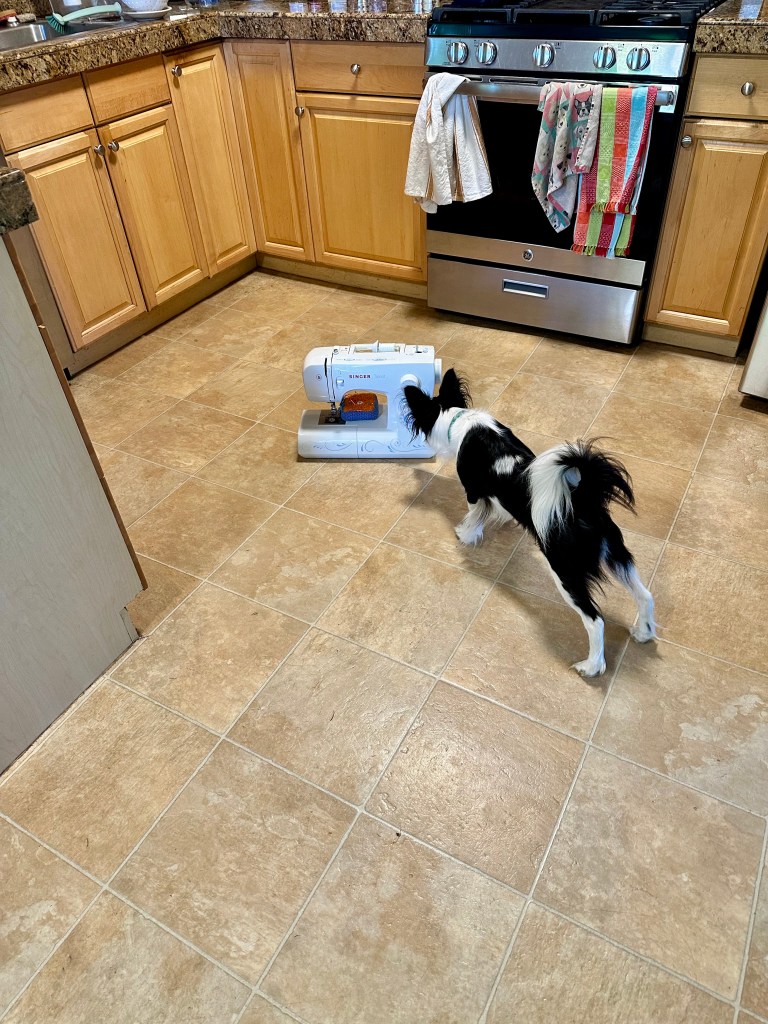
Itโ€™s important to remember that while weโ€™re always training, we shouldnโ€™t train just anything at any time. We need to choose wisely what we work on. For example, if your dog has had a scary experience or a frightening moment, itโ€™s crucial to give them time to recover. After a stressful event, their body releases cortisolโ€”a stress hormoneโ€”and it can take time for those levels to go down.

In these situations, itโ€™s best to focus on calming activities or enrichment games that allow your dog to relax and unwind. Things like sniffing games, lick mats, or quiet time in a cozy space can help soothe your dog and provide gentle stimulation without adding stress. So while we can always train something, itโ€™s essential to make sure weโ€™re training whatโ€™s best for the moment, not just anything.

Letโ€™s be intentional with our training sessions, but also remember that dogs are always learning from us, even when weโ€™re not actively working with them. Use this awareness to your advantageโ€”praise them, reward with treats or affection, and create positive outcomes whenever possible. The more we reinforce good behavior, the more weโ€™ll see it grow.

Whether you’re focusing on basic obedience like sit, stay, or come, or more advanced skills, consistency and patience are key. So no matter what day it is, or what youโ€™re doing, remember that youโ€™re always training. Letโ€™s make it count in ways that strengthen our bond and bring out the best in our dogs!

Novel Item Week: Building Confidence and a Positive Mindset in Your Dog

What is Novel Item Week?

Every first week of the month, we invite you to join us in “Novel Item Week.” This special week is all about introducing new and interesting items into your home for your dog to explore. The goal is to help your dog develop a positive mindset, reduce their fear of new things, and build their confidence.

The Benefits of Novel Item Week

  • Positive Mindset: Regularly encountering new items helps dogs learn that new experiences can be fun, rewarding or simply uneventful.
  • Reduced Fear: By gradually exposing dogs to new things in a controlled environment, we can help them become less fearful of unfamiliar objects.
  • Increased Confidence: Successfully interacting with novel items boosts dogs’ confidence, making them more adaptable and resilient.

How to Participate in Novel Item Week

Step 1: Place a Novel Item

Place a novel item in a random spot in your home. This could be anything from a new toy to a household object your dog hasn’t seen before or just not in that place. Like a bicycle in the middle of the living room or a kitchen pot in the bathroom floor.

Step 2: Wait for Your Dog to Notice

Wait for your dog to pass by the item without an invitation. Let them discover it on their own.

Step 3: Observe Your Dog’s Reaction

  • If your dog notices the item and nothing happens: That’s awesome! Your dog is comfortable with new things.
  • If your dog sniffs the item and walks away: Great! Your dog is curious and not fearful.
  • If your dog is skeptical but eventually sniffs and is fine: Good progress! Your dog is learning to overcome their caution.
  • If your dog is too afraid to interact with the item: Don’t force them. Calmly say “all is well,” touch the item yourself, and sprinkle some delicious treats around it. Gradually move the treats closer to the item until they are on it, always giving your dog the choice to leave the room if they want. If this doesn’t work, start with an item your dog is familiar with and follow the same process, then try a novel item the next day.

Step 4: Repeat

During the first week of each month, set a novel item three times a week in different spots around your home. This consistent practice helps reinforce the benefits.

Examples of Novel Items

  • Toys: New or unfamiliar toys that your dog hasn’t played with before.
  • Household Items: Safe objects like a kitchen utensil, a hat, or a small piece of furniture.
  • Sports Items: Bicycles, tires, rackets, helmets.
  • Others: Piรฑatas, fans, lamps, baskets, bags.

Share Your Experience

We would love to see what your novel items were and what your dogs reactions were! Share your stories, pictures, and videos with us on social media using the hashtag #DogNovelitem . Let’s grow our dog’s confidence together!

Children’s Gifts

Here are some gift ideas for children that loves dogs ๐Ÿ˜ƒ :

  • DOGOPOLY, awesome game! It is just like the Monopoly game but dog themed. We love to play it as a family or just the children by themselves. There is also a cat version: CATOPOLY.
  • DOGGIE LANGUAGE. A book that teaches in a cute and simple way on how to read a dog by their body language. A present they will have for the rest of their lives!
  • DOGS MEMORY MATCH GAME. It has a cute dogs drawings and names of the breed. It can be played by themselves with a timer or with more players.
  • KIDS ATLAS OF DOGS. A book where kids can learn in more detail about dog’s traits, facts, where they come from and purposes.
  • HOW TO DRAW DOGS. A step by step guide where kids can grow their drawing skills combining them with the love for dogs.

As an Amazon Associate I earn from qualifying purchases.

Traveling with Your Dog: Tips to Make It Simple and Fun

Traveling with your dog can be one of the most rewarding experiencesโ€”but letโ€™s be real, it can also be a little stressful if youโ€™re not prepared.

I used to hit the road almost every weekend with three (or more!) dogs when I was single. These days, I travel with one dog, my husband, and our two young kids. In both seasons of life, Iโ€™ve learned the same lesson: the key is to keep it simple.

Here are some tried-and-true tips to help make your next adventure smoother:

Make a Packing List for Your Dog

Create a master checklist you can use every time you travel. Hereโ€™s an example of what I pack for my dog:

Depending on the trip, Iโ€™ll add items like a pet carrier (for air travel) or a doggy life vest (for water fun).

Stick With Familiar Items

Travel isnโ€™t the time to try out new gear. Just like you wouldnโ€™t wear brand-new shoes on a long trip, your dog shouldnโ€™t be using unfamiliar treats, food, or harnesses. Stick with what they already love and trustโ€”itโ€™ll help keep their stress levels low.

Crate Training & Potty Cues Are Gold

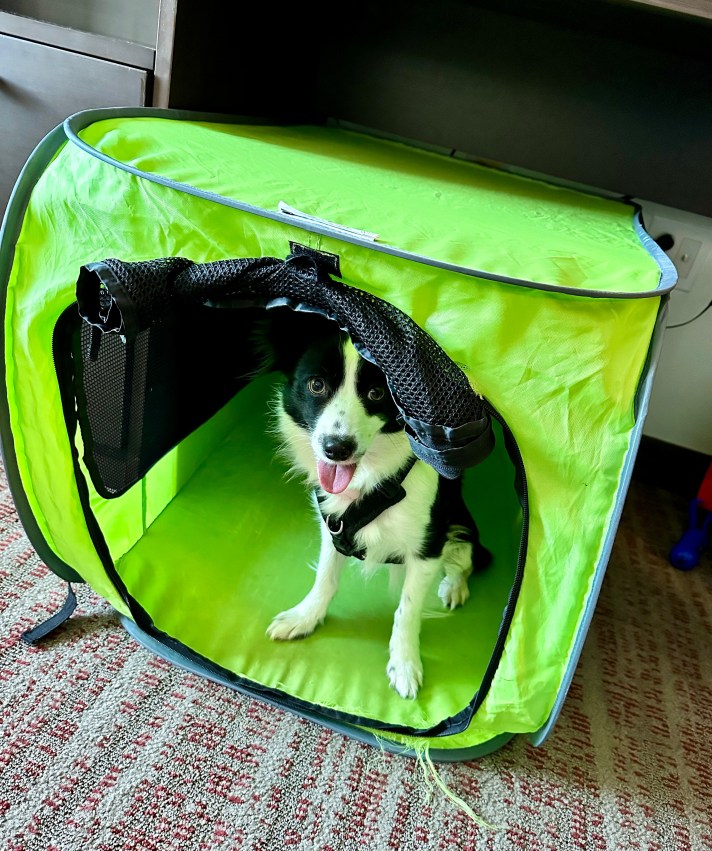
If your dog is already crate trained, traveling becomes way easier. A dog who happily settles in their crate is a dog who feels safe and secureโ€”whether you’re in a hotel, a car, or visiting family.

Teaching your dog to potty on cue is another game-changer. It saves time and frustration when you’re on the go and have limited opportunities for potty breaks.

Plan Ahead with Dog-Friendly Stops

Before your trip, hop on Google Maps and search for:

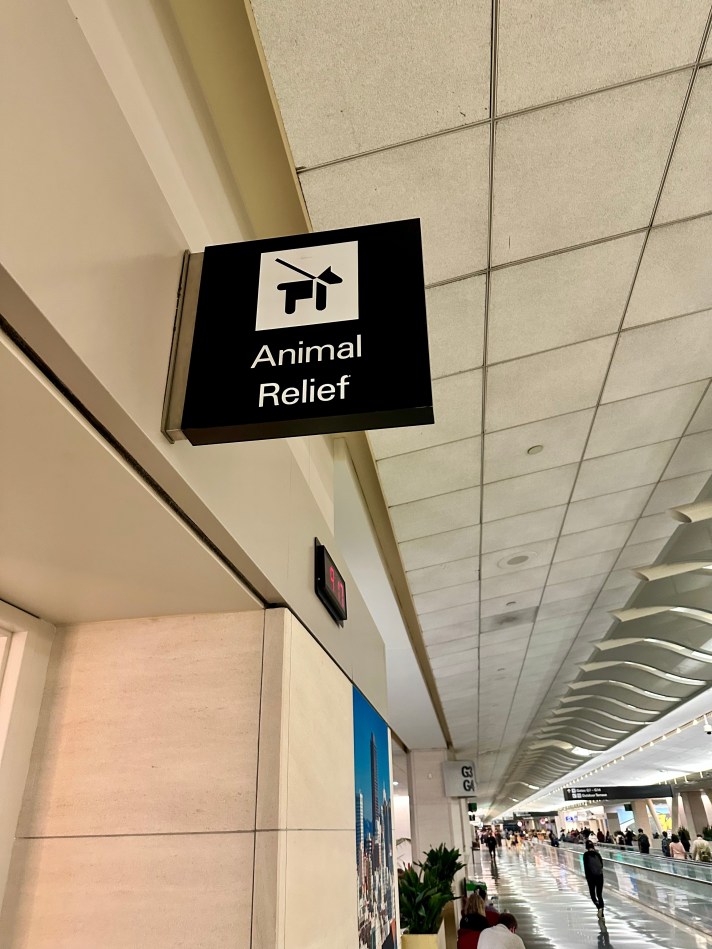
At airports, look up pet relief areas or ask staff where to find them

Parks or green spaces for walks

Dog-friendly restaurants, cafes, malls, or even museums

Capture the Memories

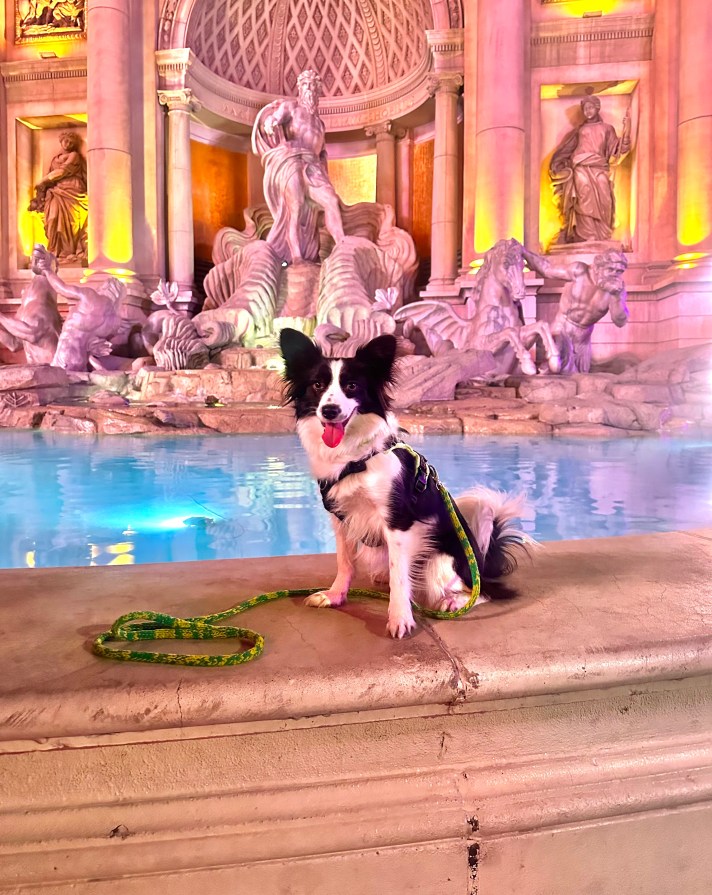
Donโ€™t forget to snap lots of pictures! Traveling with your dog is a special experience, and itโ€™s such a privilege to share those moments together.

Wishing you and your pup safe and happy travels!

As an Amazon Associate I earn fromย qualifying purchases.