
Bringing a new puppy home is such a joyful and exciting time! Their tiny paws, wiggly tails, and curious noses bring so much happiness. But along with the excitement, it’s completely normal for a little overwhelm to sneak in. Puppies create big changes in your daily routine, and change, even happy change, can feel stressful.
Here’s something to keep in mind: the puppy stage is incredibly short.
Your little ball of fur won’t be a puppy forever — in fact, you’ll blink and find yourself looking at a grown dog. It’s a season of discovery for them and for you. If you can view this time as a short, special window to teach, guide, and connect, you’ll set your puppy (and yourself!) up for a lifetime of success together.
The key is to lean into this stage with patience, planning, and a mindset of curiosity — just like your puppy!
To help you enjoy the journey and make things easier, here are a few simple but vital recommendations:
1. Potty Training Plan
Think ahead about where you want your puppy to go potty. Variety is important — we don’t want puppies to only recognize one surface!
Whenever they go in the right spot, say, “Go potty!” and reward them with a treat.
Consistency, praise, and patience will go a long way here.
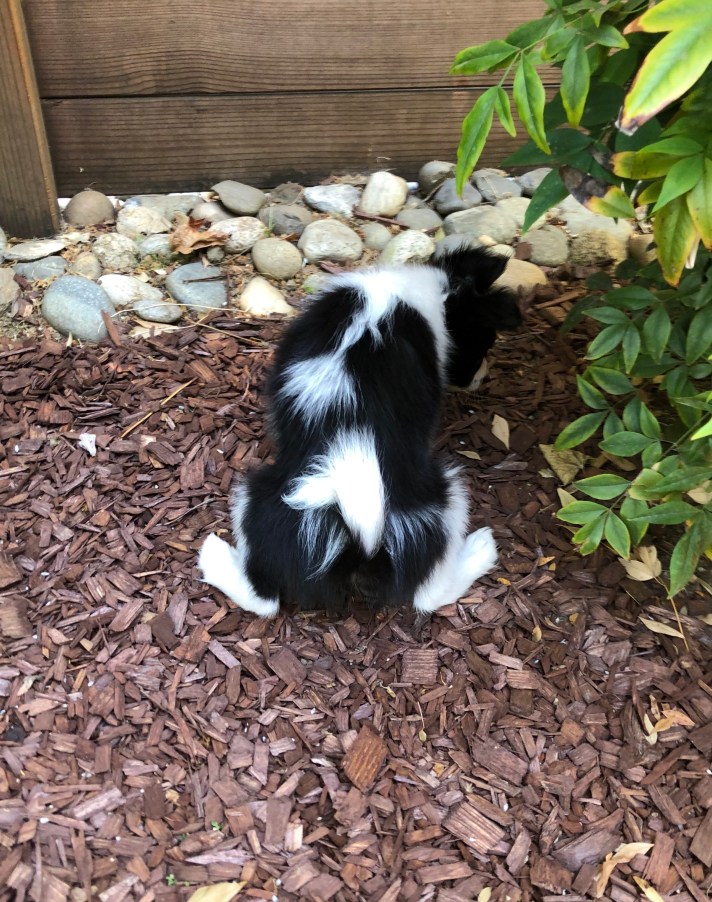
You can read more in formation about Potty training here.
2. Sleeping Arrangements
Dogs are social, pack-oriented animals. Puppies especially find comfort in being close to their people.
Have an idea of where your puppy will sleep — it could be a crate by your bed or a cozy bed nearby. Being close helps them feel safe and strengthens your bond.
3. Eating and Drinking Setup
Plan where your puppy will eat and drink.
There are lots of choices when it comes to food — the fresher, the better for their long-term health.
For bowls, I recommend stainless steel over plastic to avoid bacteria build-up and possible allergic reactions.
4. Create a Safe Spot
Every puppy needs a “den” — a quiet, peaceful place where they can relax and recharge.
It could be a crate, a pen, or a special corner with their bed and some toys.
The important thing is that it’s their choice to go in and come out — not somewhere they are locked or shut in.
This helps them feel safe, independent, and confident, knowing they have a peaceful space of their own whenever they need it.
5. Essential Tools
A few basics will make life easier:

- Flat buckle collar with an ID tag
- Harness (with front and back clips, and no restriction on the shoulders)
- 6-foot leash for regular walks
- Long line leash for safe sniffing and exploring
- Variety of toys — different textures, sizes, and lengths to keep their brains and bodies busy
Letting your puppy sniff and explore is like giving them a chance to check “doggy social media” — it’s important for their mental stimulation and happiness!
6. Focus on Relationship First
It’s easy to feel pressure to start obedience training right away — sit, stay, down — but in these early days, the most important thing you can work on is building a trusting relationship.
Connection comes first. Trust comes first.
When you build a strong bond, teaching obedience later will be so much easier — and so much more joyful for both of you.
If you’re looking for a gentle, fun, and effective way to kick off your training journey, my online course 1st Things 1st is a perfect place to start!
It’s full of games and activities designed to strengthen your relationship, build focus, and grow your puppy’s confidence from the very beginning.
Final Thoughts
Yes, puppies bring change — but it’s change filled with potential and joy.
Every silly zoomie, every wobbly sit, every new discovery is shaping who they will become.
Treasure this stage.
Be patient with yourself.
Celebrate the small wins.
And remember — you are building the foundation for a happy, confident adult dog who trusts you and enjoys life by your side.
You’ve got this!
 Dog Training